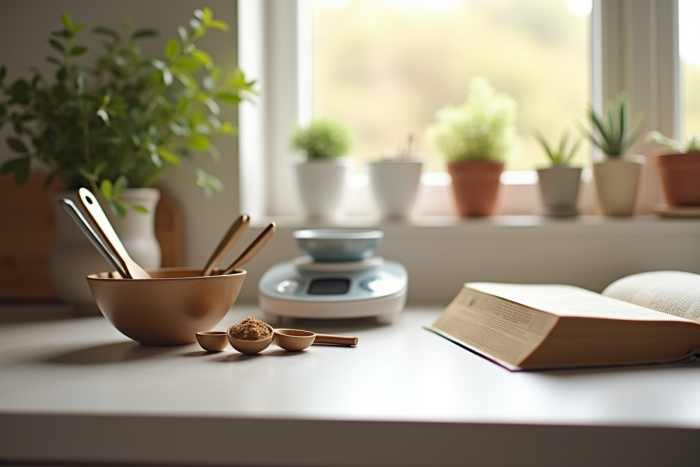
In cooking, precision is often the key to the success of a recipe. Whether it’s about adjusting ingredient quantities or adapting a foreign recipe, mastering conversions is essential. A tablespoon of flour or a cup of sugar can vary from one country to another, and understanding these differences helps avoid mistakes.
Many amateur cooks find themselves at a loss when it comes to converting grams to ounces or milliliters to cups. Knowing that 1 tablespoon is approximately 15 milliliters or that 1 cup is about 240 milliliters can make all the difference.
Essential conversions for liquid and solid measurements
Understanding conversions between different units of measurement is fundamental for success in the kitchen. Here are some key equivalents:
- One tablespoon: 15 ml
- One teaspoon: 5 ml
- One cup: 240 ml
- One liter: 1000 ml
- One ounce: 28 g
- One pound: 454 g
Managing liquid and dry ingredients requires precision. For liquids, know that 75 ml to cl may seem complex but is actually simple: 7.5 cl. Dry ingredients, on the other hand, are often measured in grams or cups. One cup of flour is approximately 120 g.
| Unit | Equivalent |
|---|---|
| 1 tablespoon | 15 ml |
| 1 teaspoon | 5 ml |
| 1 cup | 240 ml |
| 1 ounce | 28 g |
| 1 liter | 1000 ml |
For international recipes, use a measuring cup or a kitchen scale. Adjust quantities accurately, especially for dry ingredients like flour and sugar. An incorrect conversion can alter the final result.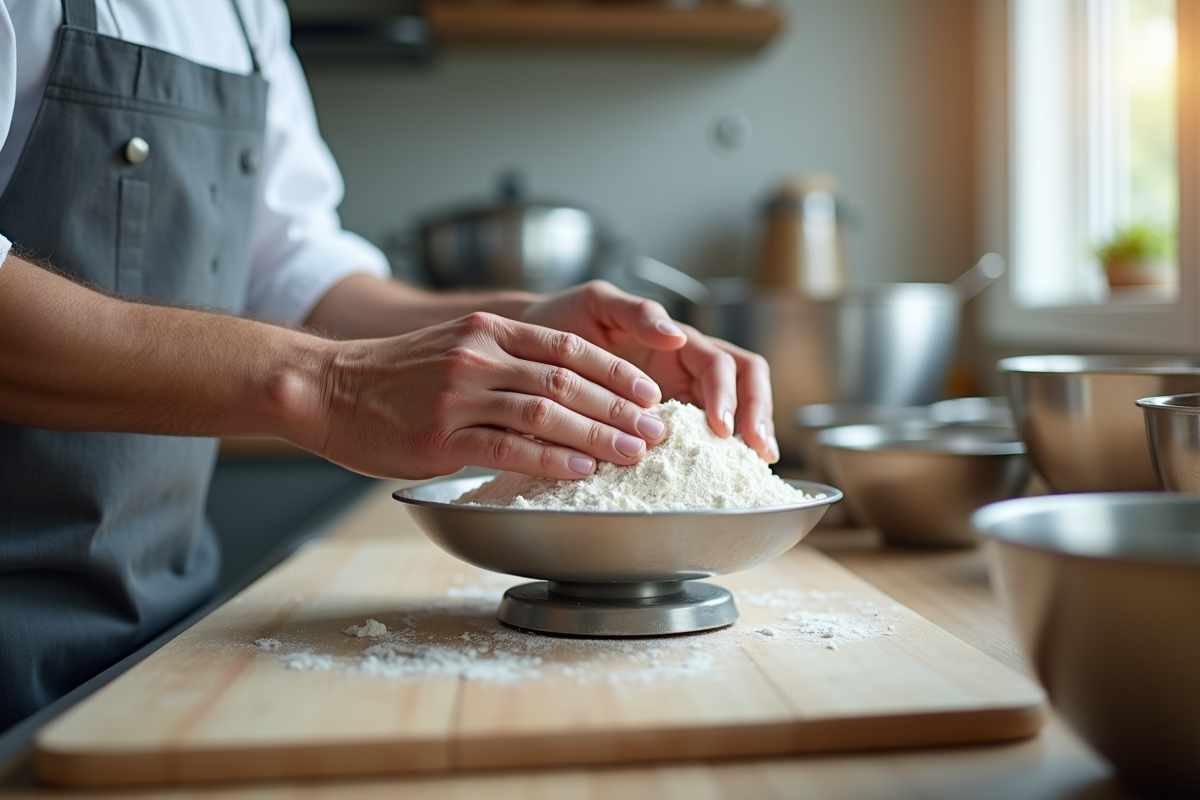
Practical tips for accurate conversions in the kitchen
To avoid compromising your recipes, always use appropriate measuring instruments. Measuring cups and kitchen scales are essential tools for achieving precise conversions. Chefs and kitchen staff know well: each ingredient must be weighed with care.
To measure liquid ingredients, opt for measuring cups with graduations in milliliters and centiliters. This will help you avoid common mistakes, such as confusing 75 ml with 7.5 cl. Dry ingredients like flour and sugar require an accurate kitchen scale. One cup of flour, for example, is about 120 g, but this value can vary depending on the ingredient’s density.
- 1 tablespoon: 15 ml
- 1 teaspoon: 5 ml
- 1 cup: 240 ml (or about 120 g of flour)
- 1 ounce: 28 g
- 1 pound: 454 g
- 1 liter: 1000 ml
For complex recipes, like Pizza Margherita, a good mastery of conversions is necessary. This recipe contains flour, yeast, water, salt, tomatoes, mozzarella, basil, and olive oil. Each ingredient must be measured precisely to achieve a perfect dough and a balanced topping.
Converting units of measurement is not done randomly. Use conversion charts as a reference and do not rely on approximations. An incorrect conversion can ruin the taste and texture of your dish, making your cooking efforts in vain. Always keep these tools handy to ensure the success of your culinary preparations.