In cooking, a small measurement error can turn a delicious recipe into a real disaster. Whether it’s to adjust quantities or to follow a foreign recipe, it’s important to master some basic conversions. For example, knowing that one cup is approximately 240 milliliters can prevent many mishaps.
Similarly, understanding the equivalences between grams and ounces, or between Fahrenheit and Celsius, can make all the difference. This knowledge not only allows for faithful reproduction of recipes but also enables experimentation in the kitchen with greater precision and success.
Essential Measurement Units in Cooking
The kitchens around the world use various measurement units that can sometimes be confusing. To avoid conversion errors, it’s important to know the basic equivalences. For example, a tablespoon in France contains about 15 ml, while in the United States, it contains 20 ml. A teaspoon, on the other hand, contains about 5 ml in most countries.
| Unit | Equivalence |
|---|---|
| 1 cup (240 ml) | 16 tablespoons |
| 1 liter (l) | 1000 ml |
| 1 ounce (oz) | 28.35 g |
| 1 tablespoon (Fr) | 15 ml |
| 1 teaspoon | 5 ml |
To convert liquid volumes, know that 33 cl to ml is calculated simply: 33 cl is equivalent to 330 ml. These conversions allow for following international recipes without difficulty.
Now let’s move on to temperatures. To convert Fahrenheit degrees to Celsius, use the formula: (°F – 32) x 5/9 = °C. For example, 350 °F corresponds to about 177 °C. This conversion is essential for adjusting the cooking of dishes according to American recipes, which are often expressed in Fahrenheit.
For weights, a kitchen scale is indispensable. One ounce is approximately 28.35 grams, a useful figure for weighing dry ingredients. Using a measuring cup also makes it easier to measure liquids, especially for recipes requiring precision and accuracy.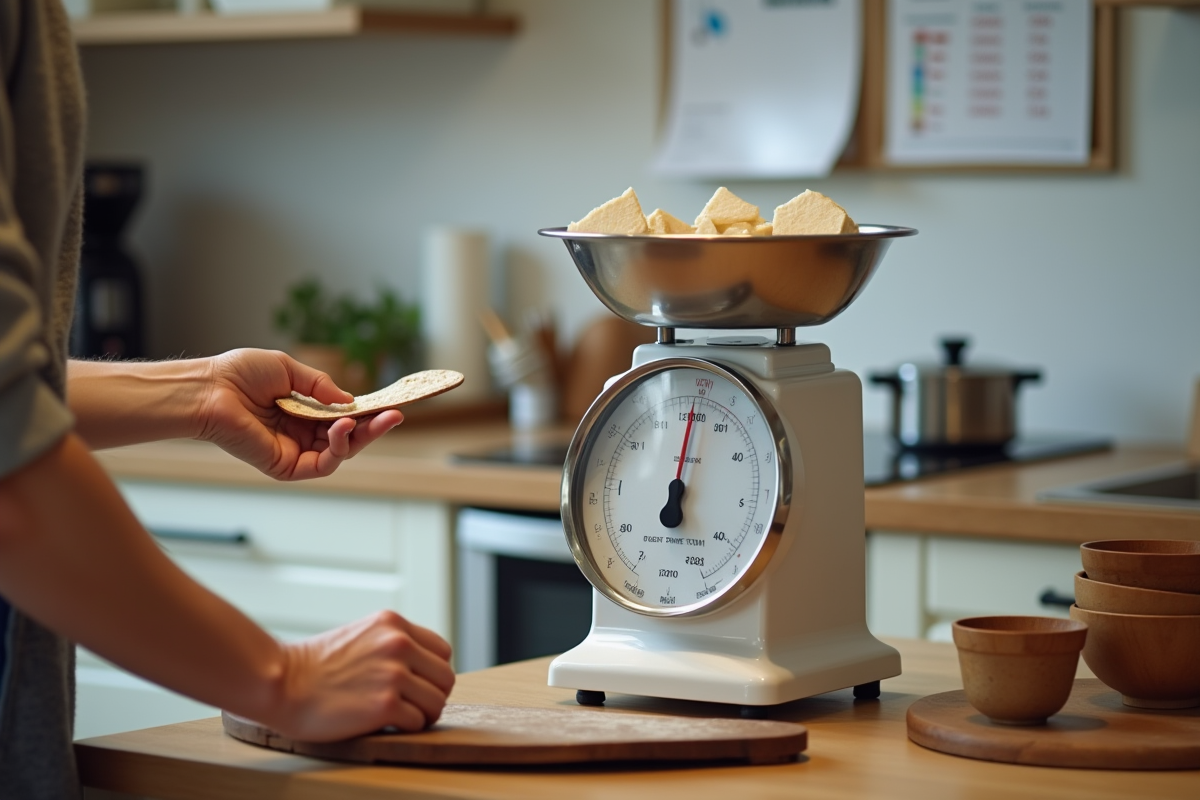
Tools and Tips for Accurate Conversions
To avoid mistakes in the kitchen, use appropriate conversion tools. Among them, specialized mobile applications allow for quick conversion of measurement units. Apps like Convertor Cuisine or Recipe Converter offer an intuitive interface to switch between milliliters, grams, ounces, and other units.
Measuring utensils and instruments play a fundamental role. A digital kitchen scale ensures precision to the gram, essential for baking. A measuring cup graduated in milliliters and ounces makes measuring liquids easier.
- A kitchen thermometer helps maintain precise cooking temperatures, essential for meats and syrups.
- Use standardized tablespoons and teaspoons to avoid approximations.
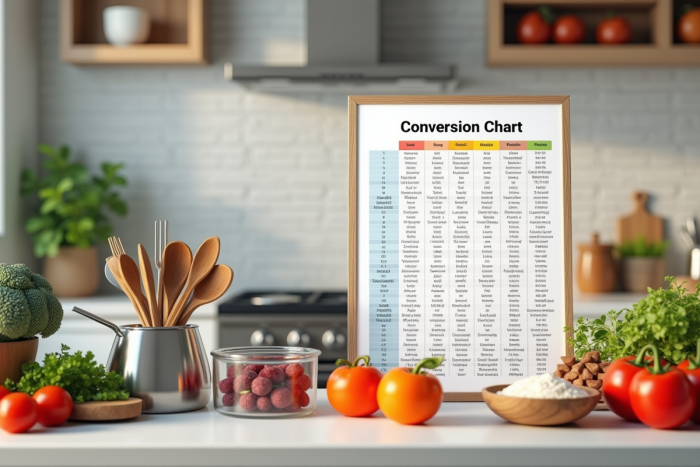
Conversion charts displayed in the kitchen provide a quick reference. Here’s an example of common conversions:
| Unit | Equivalence |
|---|---|
| 1 cup | 240 ml |
| 1 oz | 28.35 g |
| 1 tablespoon (Fr) | 15 ml |
| 1 teaspoon | 5 ml |
For cocktail enthusiasts, specialized recipe books often include conversions specific to cocktails, ensuring precise execution of proportions.
In cooking, the accuracy of measurements ensures the success of recipes. Use the right tools for consistent and flavorful results.