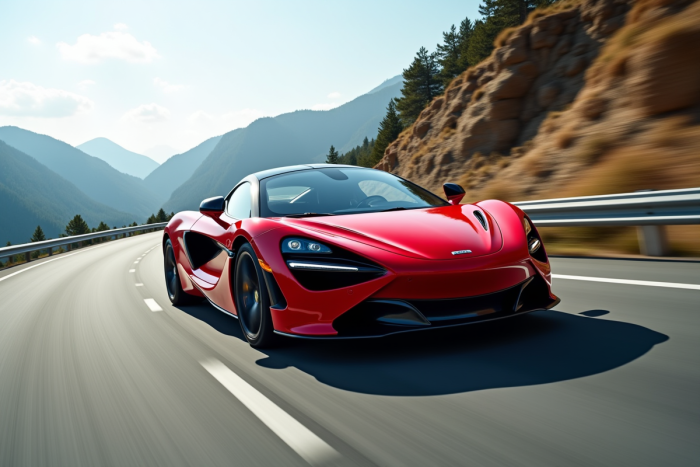
Sporty compacts attractively combine performance and practicality, appealing to both speed enthusiasts and daily driving fans. However, their reliability often raises questions, sparking debates and concerns.
Some drivers praise the robustness of these little speedsters, while others denounce frequent breakdowns and high maintenance costs. The differences between brands, models, and manufacturing years further complicate understanding. To clarify, make sure to untangle the truth from the falsehoods based on user testimonials and precise technical data.
Myths and Realities About the Reliability of Sporty Compacts
Sporty compacts, often perceived as high-performance but fragile vehicles, deserve a more nuanced evaluation. The reliability of these models varies based on numerous criteria. For example, consider the reliability of the Golf 7 GTI. This model is often referenced for its robustness, but it has also experienced some recurring issues.
Strengths and Weaknesses
- Engine: The turbo engines of these cars are generally powerful but can suffer from overheating issues.
- Transmission: Automatic transmissions, while more comfortable, sometimes show signs of premature failure.
- Clutch: Subject to frequent demands, the clutch can deteriorate quickly, especially in sporty driving.
Brands and Their Reputations
| Brand | Model | Reliability |
|---|---|---|
| Volkswagen | Golf GTI | Good |
| Honda | Civic Type R | Excellent |
| Renault | Megane RS | Variable |
Reliability is not limited to mechanics. Modern electronic systems, increasingly present in recent vehicles, add a layer of complexity. Malfunctions in onboard electronics can make the driving experience less enjoyable, or even dangerous in some cases.
While sporty compacts offer unmatched sensations, their reliability heavily depends on the brand, model, and regular maintenance. Consider user feedback and technical data to make an informed choice.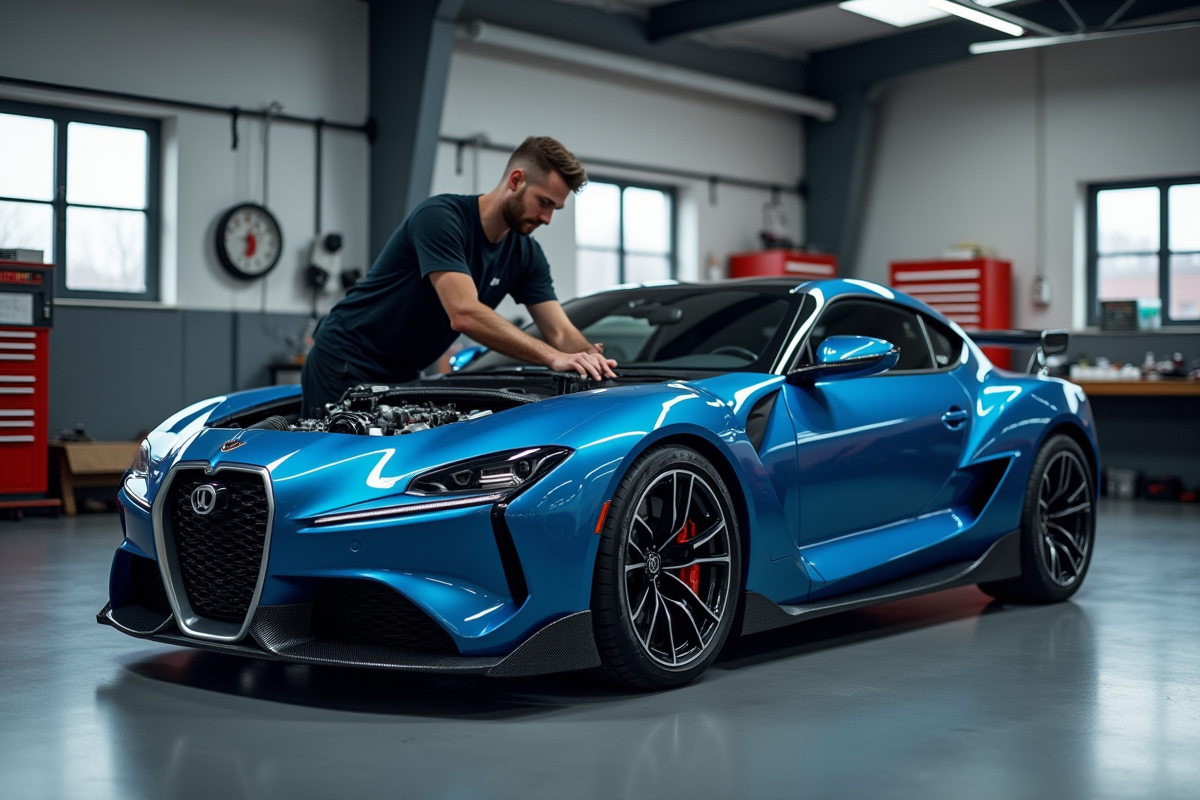
How to Choose a Reliable Sporty Compact: Criteria and Tips
To select a reliable sporty compact, several criteria must be considered. First, examine the history and user feedback. Specialized forums and customer reviews often provide a wealth of valuable information.
Mechanical Criteria to Evaluate
- Engine: The robustness and performance of the engine are essential. Favor models that have proven themselves, such as the turbo engines of the Volkswagen Golf GTI or the Honda Civic Type R.
- Transmission: Manual transmissions are generally more reliable over the long term than automatics, which are more complex. However, some brands like BMW offer high-quality automatic transmissions.
- Cooling System: High-performance engines generate more heat. Check the efficiency of cooling systems, including radiators and fans.
Electronic Considerations
Onboard electronic systems play a fundamental role in reliability. Malfunctions are more common in recent models, where technology is omnipresent. Favor brands with a reputation for electronic reliability, such as Audi and Mercedes.
Practical Tips
- Maintenance History: A well-maintained vehicle, with regular servicing, will always be more reliable. Request the complete maintenance log before any purchase.
- Manufacturer Warranty: Check the duration and extent of the warranty offered by the manufacturer. An extended warranty can often be an indicator of the manufacturer’s confidence in the reliability of their product.
- Test Drive: Never overlook a test drive. Test the car in different driving conditions to assess its behavior and detect any potential issues.
The reliability of a sporty compact depends on many factors, ranging from the quality of mechanical components to the sophistication of electronic systems. Exercise discernment and rely on objective data to make your choice.