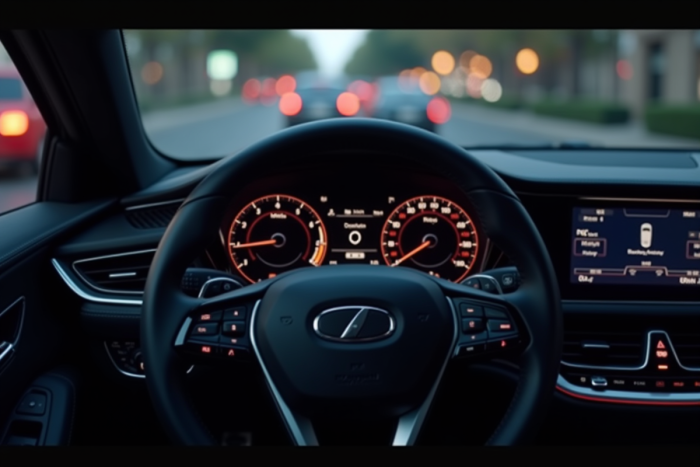
Modern vehicles are packed with advanced technologies, and dashboards are a striking example of this. Each warning light that illuminates can indicate a wide range of situations, from a simple alert for an open door to more serious mechanical issues.
Understanding these indicators is essential for any driver. For instance, a continuously illuminated check engine light may signal a problem requiring immediate attention, while a battery warning light could indicate a loss of charge or a failing alternator. Familiarize yourself with these signals to ensure your safety and that of your vehicle.
The different types of indicators on a dashboard
Modern car dashboards display a variety of indicators, each with a specific meaning. They are divided into three main categories: safety indicators, maintenance indicators, and operational indicators.
Safety indicators
Safety indicators signal issues affecting the safety of the driver and passengers. Among these indicators are:
- Airbag warning light: indicates a malfunction in the airbag system.
- Seatbelt warning light: alerts that the seatbelt is not fastened.
- ABS warning light: signals a failure in the anti-lock braking system.
- Open door warning light: informs that a door is not properly closed.
- Coolant temperature warning light: alerts about engine overheating.
Maintenance indicators
Maintenance indicators warn when the car needs servicing or when there is a mechanical problem. These include:
- Engine oil level warning light: indicates that the oil level is low.
- Engine anomaly warning light: signals a problem with the engine or its components.
- Battery warning light: alerts about a charging issue or the alternator.
- Tire pressure warning light: informs of insufficient tire pressure.
Operational indicators
Operational indicators indicate the activation or deactivation of certain vehicle functions. These include:
- Headlight warning light: shows that the headlights are on.
- Fog light warning light: indicates the activation of the fog lights.
- Cruise control warning light: signals that the cruise control is active.
In case of a orange warning light on the dashboard of the Peugeot 2008, you should promptly consult a professional to determine the cause and appropriate solution. Correctly interpreting these indicators can prevent costly breakdowns and ensure safe driving. 
What to do when a warning light comes on?
When a warning light comes on the dashboard, the first step is to consult the vehicle manual. This guide contains valuable information about the meaning of the indicators and the actions to take. If the manual does not provide a clear solution, it may be wise to contact a mechanic.
Consult a professional
A mechanic has the skills necessary to diagnose and resolve the issues indicated by the warning lights. They can perform thorough tests to identify the source of the malfunction and propose appropriate solutions.
Take immediate action
In the case of a red warning light, stop the vehicle immediately and seek to understand the problem. For orange warning lights, it is advisable to make an appointment with a professional without delay. Green and blue warning lights do not require urgent intervention, but it is always helpful to check their meaning.
Practice preventive maintenance
Good preventive maintenance can help avoid the illumination of many warning lights. Regular checks of oil level, tire pressure, and coolant can prevent costly breakdowns. An eco-diagnostic can detect underlying issues before they become critical.
For a worry-free driving experience, follow these recommendations and consult a professional regularly. Correctly interpreting the warning lights and rigorous maintenance ensure better longevity of your vehicle and increased safety on the road.